
Discover the Island's Village life
Naxos Villages - a "hidden" gem
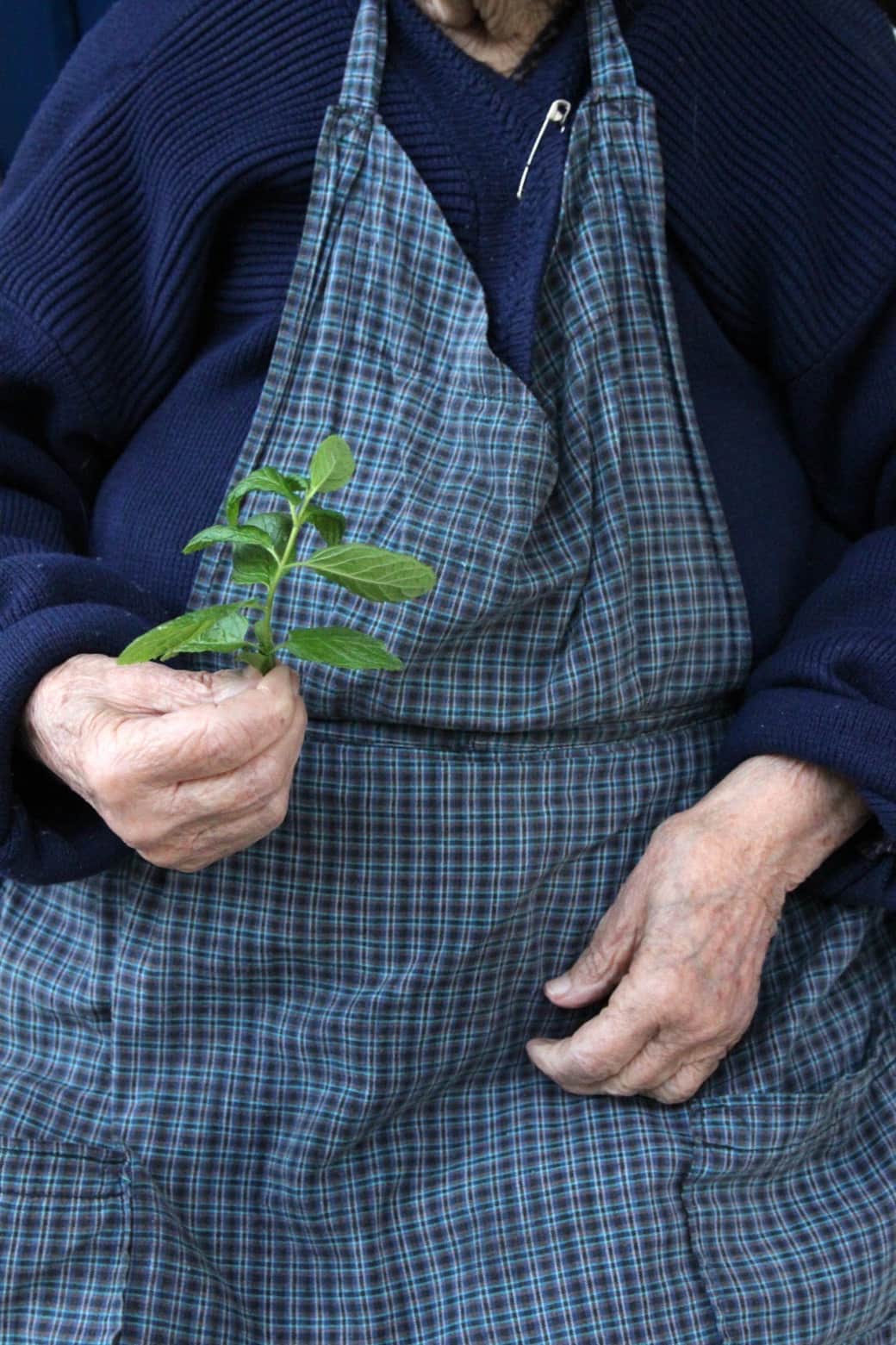
Ah, my child, let me tell you about the villages of Naxos. You see, life here is not hurried like in the cities. Here, time moves with the sun and the wind. The stones of our houses have seen generations pass, and the stories—ah, the stories!—they live in the walls and in the very soil we walk on.
You must visit Halki, first of all. In the heart of the Tragea valley, it stands proud, with its neoclassical mansions and the sweet scent of citrus groves filling the air. Once, this was the island's capital. Walk slowly through its narrow streets, and you will hear the old folks still speaking about the days of silk merchants and olive oil trade. Stop by the old distillery making Kitron—a drink you must taste to understand the spirit of Naxos.
Then, make your way to Apeiranthos, the marble village. Built by Cretans long ago, they say. Here, marble is not only on the ground but carved into the very soul of the people. The dialect is different, stronger, older. You will find small museums tucked away in houses, and women weaving in the courtyards, just like their grandmothers and great-grandmothers did before them. Sit in the square under the shade of the plane tree, have a raki, and you will feel peace settle into your bones.
Filoti lies at the foot of mighty Mount Zas. It's a village full of life, where every celebration feels like a story unfolding. Climb up to the church of Panagia Filotitissa, one of the grandest on the island. In August, when the feast of the Virgin comes, the whole village fills with music, dance, and laughter that echoes through the night. And yet, even then, there is a calmness here—like the mountain itself protects the village.
Don’t forget Koronos, a village that clings to the mountain slopes like a secret. The old miners once carved out emery from the rocks here. Walk down into the alleyways—so narrow that neighbors can shake hands from their windows—and you'll see gardens bursting with color, and elders sitting outside their homes, greeting you like an old friend.
And Potamia, the "rivers" of Naxos, though the streams are small now. There, the old watermills whisper stories to the wind. Olive trees bend with the weight of years and fruit, and old stone bridges lead you from one memory to another.
You see, my child, in the villages of Naxos, tradition is not something kept in a museum. It is alive, breathing, greeting you with every step. We don't rush here. We listen—to the land, to the sea, and to the stories passed from mouth to ear, from heart to heart.
Come slow, and stay long. Only then will you truly see.